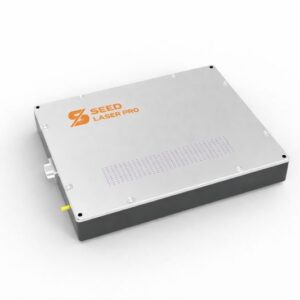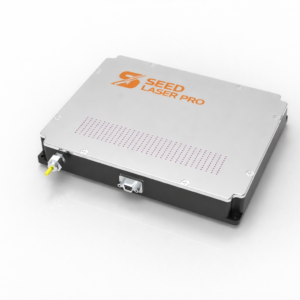
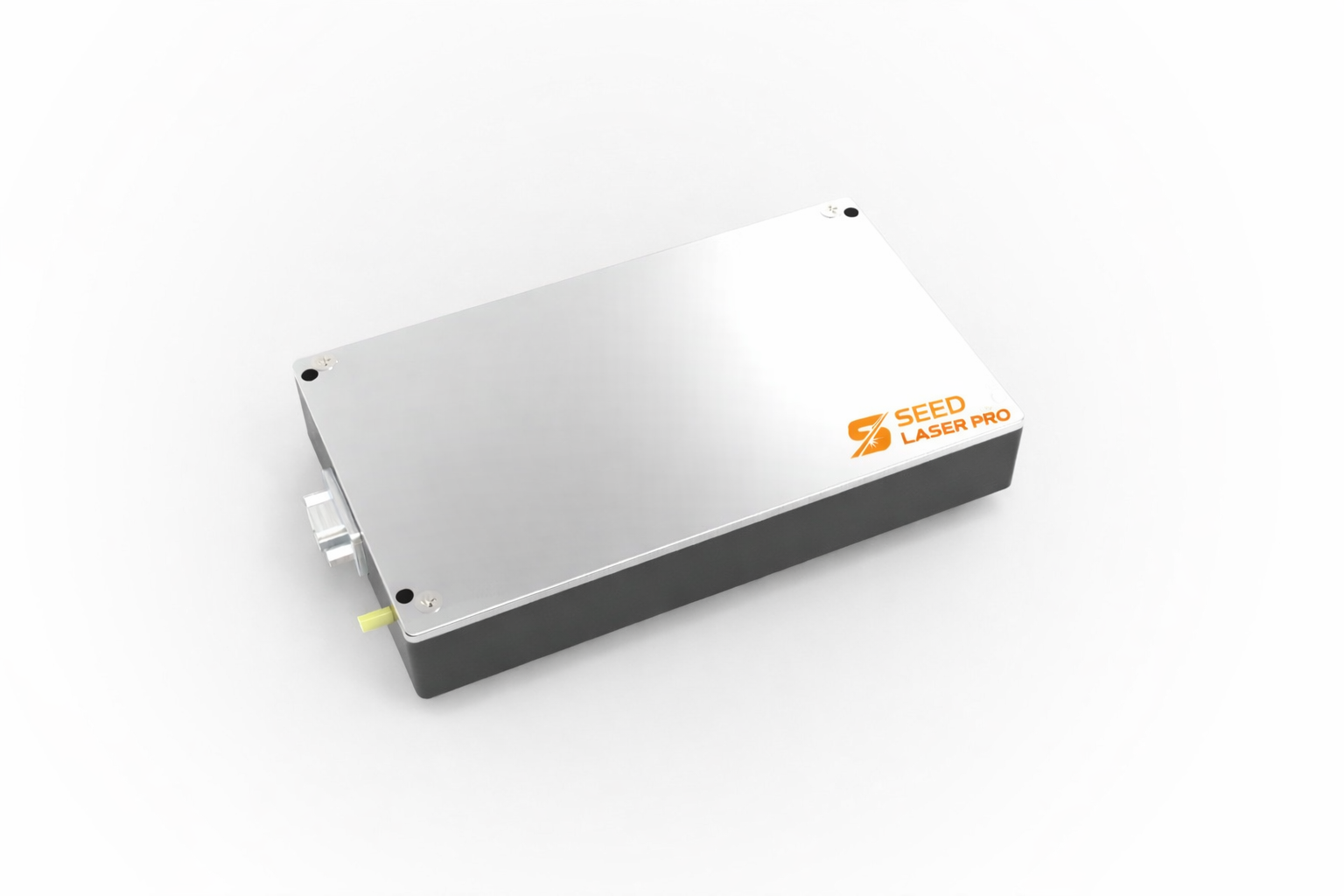
| 2.0 μm Point Light Source | ||||
|---|---|---|---|---|
| Technical Parameter | Unit | Technical Specifications | ||
| Min | Typical | Max | ||
| Central Wavelength | nm | 1950 | ||
| Optical Mode | / | Single Longitudinal Mode, Continuous Wave | ||
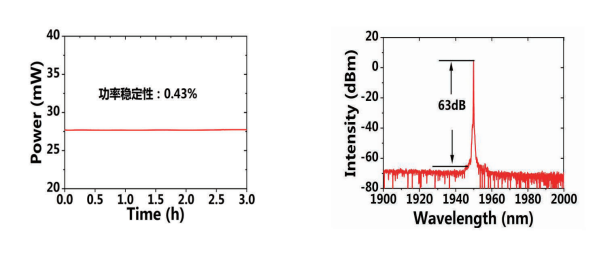
| Output Power | mW | – | 25 | – |
| Spectral Bandwidth | nm | 0.04 | ||
| Optical Signal-to-Noise Ratio | dB | 60 | ||
| Output Power Stability (P-P) | % | ≤0.5 | ||
| Wavelength Tuning Range | nm | – | – | 0.6 |
| Polarization Type | / | Linear Polarization | ||
| Polarization Extinction Ratio | dB | 20 | ||
| Beam Quality | / | M² < 1.05 | ||
| Operating Voltage | VDC | 12 or Others | ||
| Operating Temperature | °C | -10 | – | 45 |
| Storage Temperature | °C | -40 | – | 70 |
| Output Fiber Type | / | PM1950 / SM1950 | ||
| Dimensions | mm | 175(L) × 140(W) × 25(H) | ||
The 2.0 μm laser point light source is a miniaturized laser device designed for high-precision spatial positioning, eye safety, and strong environmental adaptability. Its core advantages include eye safety, micrometer-level spot positioning, high peak power, automotive-grade robustness, and multi-wavelength customization, making it a key light source for next-generation LiDAR, precision medical applications, and industrial processing.
Product Features
High Beam Quality
Stable Power
Polarization-Maintaining Single-Mode Output
Typical Applications
Scientific Research
Experimental Teaching
Device Testing and Measurement